
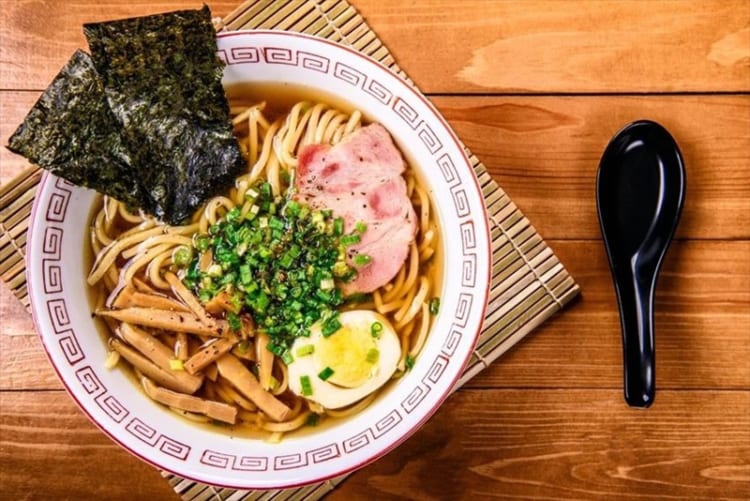
A ROUNDUP OF THE MOST POPULAR JAPANESE NOODLE DISHES
If pho is the famous dish when it comes to Vietnamese cuisine, then Japan is known as the kingdom of noodles, with all kinds of chewy noodles served in a sweet, rich broth. Some Japanese noodle dishes famous around the world include ramen, udon, soba,… Each noodle dish has its own cooking method and distinctive flavor that anyone who tries it once will remember forever. Let's explore these noodles in detail with Lua Viet Tours, and find out why they are so popular.
1. Ramen
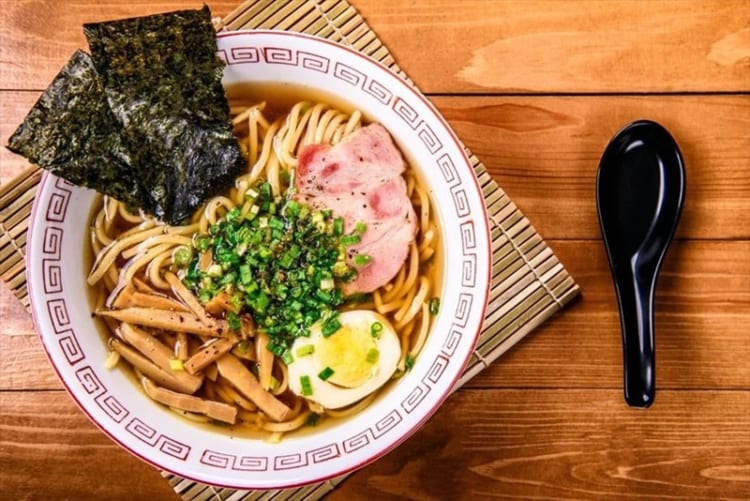
Ramen – the king of noodles with a flavor all its own (Image source: Internet)
Considered the king of Japanese noodles, ramen is an essential entry on any list of the country's famous noodle dishes. It is a beloved favorite of many Japanese people and visiting tourists alike. In particular, depending on the region of Japan, this dish has its own distinct flavor.
The noodles are made from wheat flour, salt and kansui, resulting in fairly thin, lightly curly, yellow noodles with a pleasantly chewy bite. Ramen is usually served with a hot soup or broth simmered from pork or chicken bones. Besides the soft, chewy noodles and rich broth, what makes ramen so appealing are the tempting toppings such as thinly sliced pork, seaweed, egg, Japanese fish cake, corn and cabbage.
In the diverse food culture of the "Land of the Rising Sun", ramen stands out for its variety of preparations and broths. For example, in Tokyo, visitors should try Shoyu Ramen with its clear broth, or if you get the chance to visit Hokkaido try Miso Ramen with its thick, curly noodles,…
2. Udon
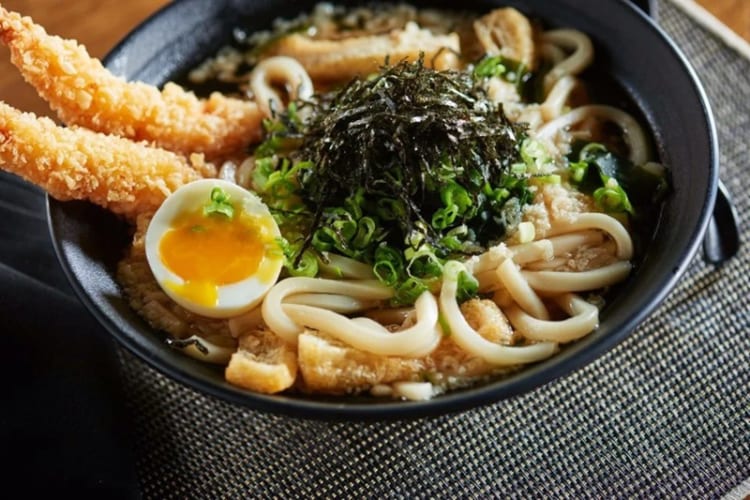
Udon has an indescribably delicious flavor (Image source: Internet)
Udon is just as famous as ramen and is easy to recognize by its thick, slightly square noodles, considered the thickest of all the noodles here. Udon noodles are opaque white and quite chewy, letting you fully appreciate their delicious flavor and springy texture. Udon is usually served in a broth made from soy sauce, dashi and mirin, giving it an irresistibly rich and tasty flavor.
Visitors can enjoy udon hot or cold, depending on personal preference. Typically, on sweltering summer days, cold udon served with leafy greens and cucumber is the ideal choice. On cold winter days, hot udon cooked with vinegar and egg yolk is not only a nourishing dish but also offers an indescribable flavor.
3. Soba
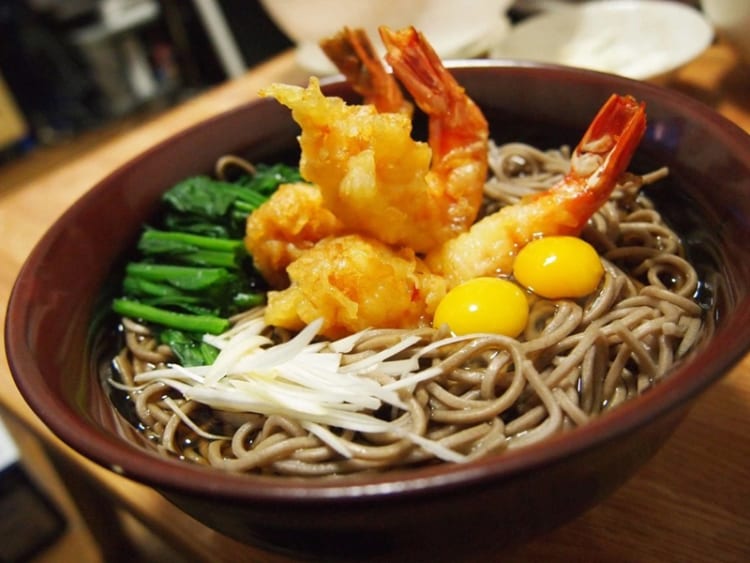
An essential dish for the Japanese in the first days of the new year (Image source: Internet)
Soba is considered a symbol of good luck for the Japanese and is an essential dish during the Lunar New Year holidays in Japan, to wish for a smooth and fortunate new year. Unlike ramen and udon, soba is made from buckwheat kneaded with wheat flour, so the noodles are brown or gray, thin and chewy.
Like udon, visitors can enjoy soba hot or cold, depending on their preference, served with Japanese soy sauce. Cold soba is boiled and served with seaweed and yam, while hot soba is served with egg. Don't miss the unique flavor of each type of noodle when you visit Japan, as each offers a special culinary experience you won't forget.
4. Somen
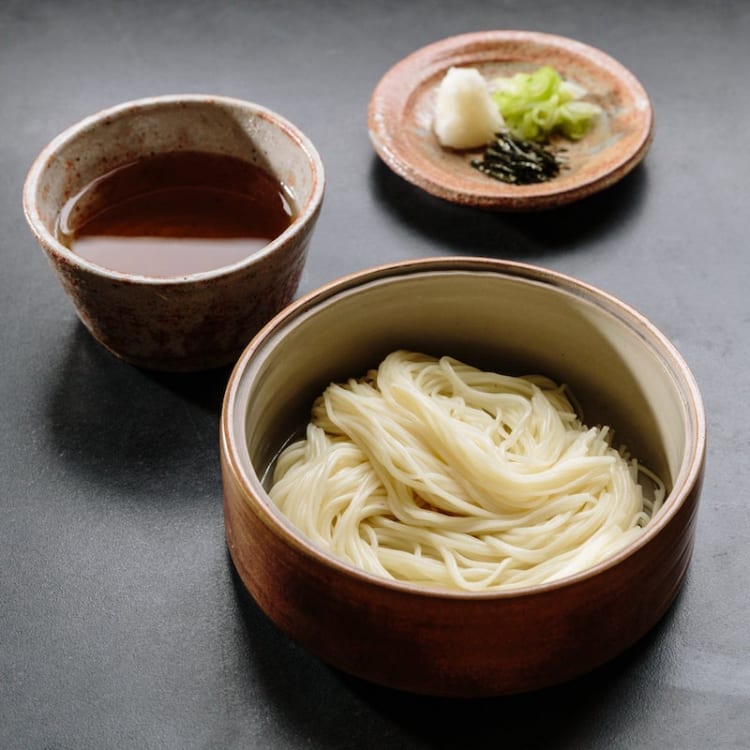
A cold noodle dish popular on summer days in Japan (Image source: Internet)
Among the many types of noodles, somen is considered one of Japan's cold noodle dishes, also known as bamboo flume noodles, and is popular during the summer there. Somen is also made from wheat like ramen, but the noodles are thinner and look quite similar to Vietnamese rice vermicelli. However, somen noodles are chewier and do not break apart as easily as vermicelli.
Somen is presented quite elaborately, with a variety of flavors to suit each diner's taste. The noodles are usually served in a glass bowl and, when eaten, combined with hot water or ice-cold water along with fresh greens and an assortment of meats, vegetables and fruits, plus a special sauce. With just the first bite, visitors feel as if they are enjoying the whole summer.
5. Yakisoba
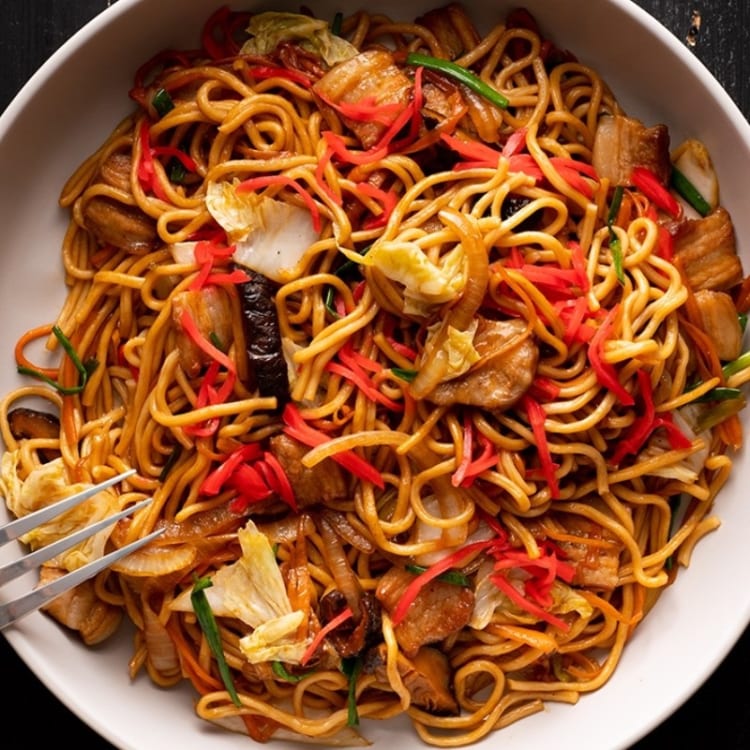
A classic Japanese stir-fried noodle dish with a very simple preparation (Image source: Internet)
Yakisoba is a classic Japanese stir-fried noodle dish that is simple and convenient to make, which is why it is loved by so many people in the Land of Cherry Blossoms. However, few people know that yakisoba is made from ramen noodles stir-fried with pork and vegetables such as cabbage, onion and carrot, yakisoba sauce and seasonings such as salt and pepper. To create its distinctive flavor, the Japanese also add extra ingredients such as seaweed powder, pickled ginger, bonito flakes and mayonnaise.
6. Shirataki
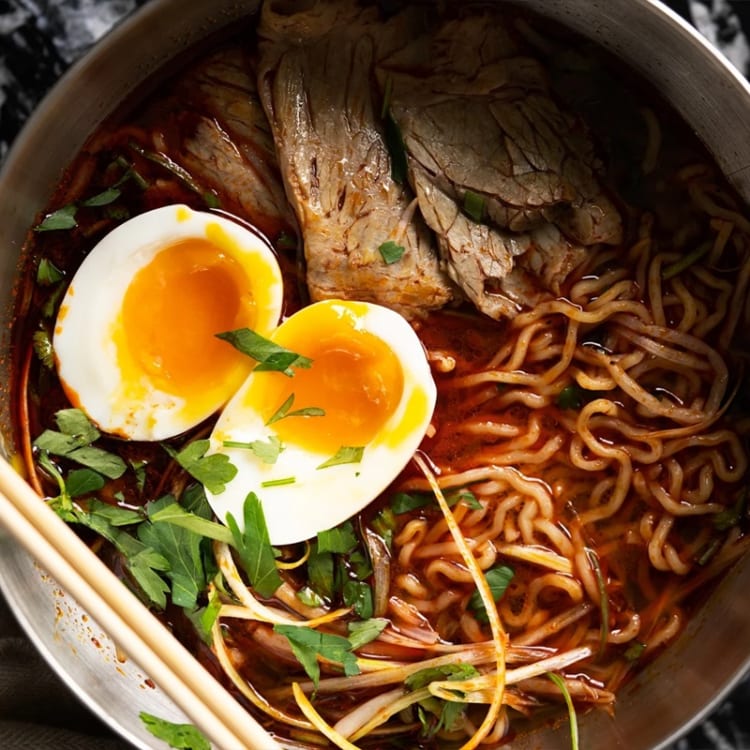
Shirataki noodles are especially appealing in hot pot dishes (Image source: Internet)
When it comes to famous Japanese noodles, shirataki, made from konjac flour (konjac yam), is a must-mention. Konjac is translucent and has a chewy, jelly-like texture when eaten, so shirataki noodles made from konjac flour are also beautifully translucent and captivate every diner. The Japanese often use these noodles in popular hot pot dishes such as sukiyaki and oden, giving diners a unique and unforgettable culinary experience.
7. Harusame
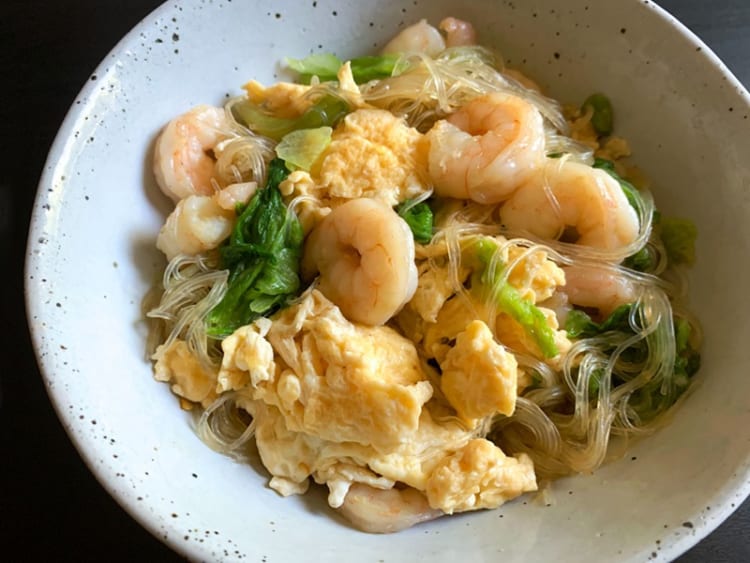
Harusame noodles are said to promote longevity and are good for your health, which makes them popular with many people (Image source: Internet)
The last dish on the list of famous Japanese noodles is Harusame. Harusame noodles are made from potato starch; they are translucent, fairly slender and pale yellow, much like the mung bean glass noodles found in Vietnam. Travelers will often see these noodles in stir-fries and soups. Harusame is usually cooked with shrimp, tofu, wood ear mushrooms, bell peppers and a little scallion. The Japanese believe that eating Harusame regularly is not only good for your health but also helps you live longer.
The fascinating noodle-eating culture of the Japanese
Eating noodles in Japan is considered part of a unique culinary culture that draws the attention of many food lovers from the Land of the Rising Sun. One important Japanese custom is eating noodles on New Year's Eve, in the belief that it drives away the bad luck of the old year and brings plenty of happiness in the new one.
Another distinctive feature of Japanese noodle-eating culture is the loud slurping sound. The Japanese regard this as a sign of enjoying the meal and a compliment to the chef. In addition, the Japanese often enjoy noodles at shops near train stations, stopping by to eat a bowl and pay in just about 5 minutes.
Related articles

09/2026
POPULAR TOURIST ATTRACTIONS IN TAIPEI LOVED BY MANY TRAVELERS

04/2024